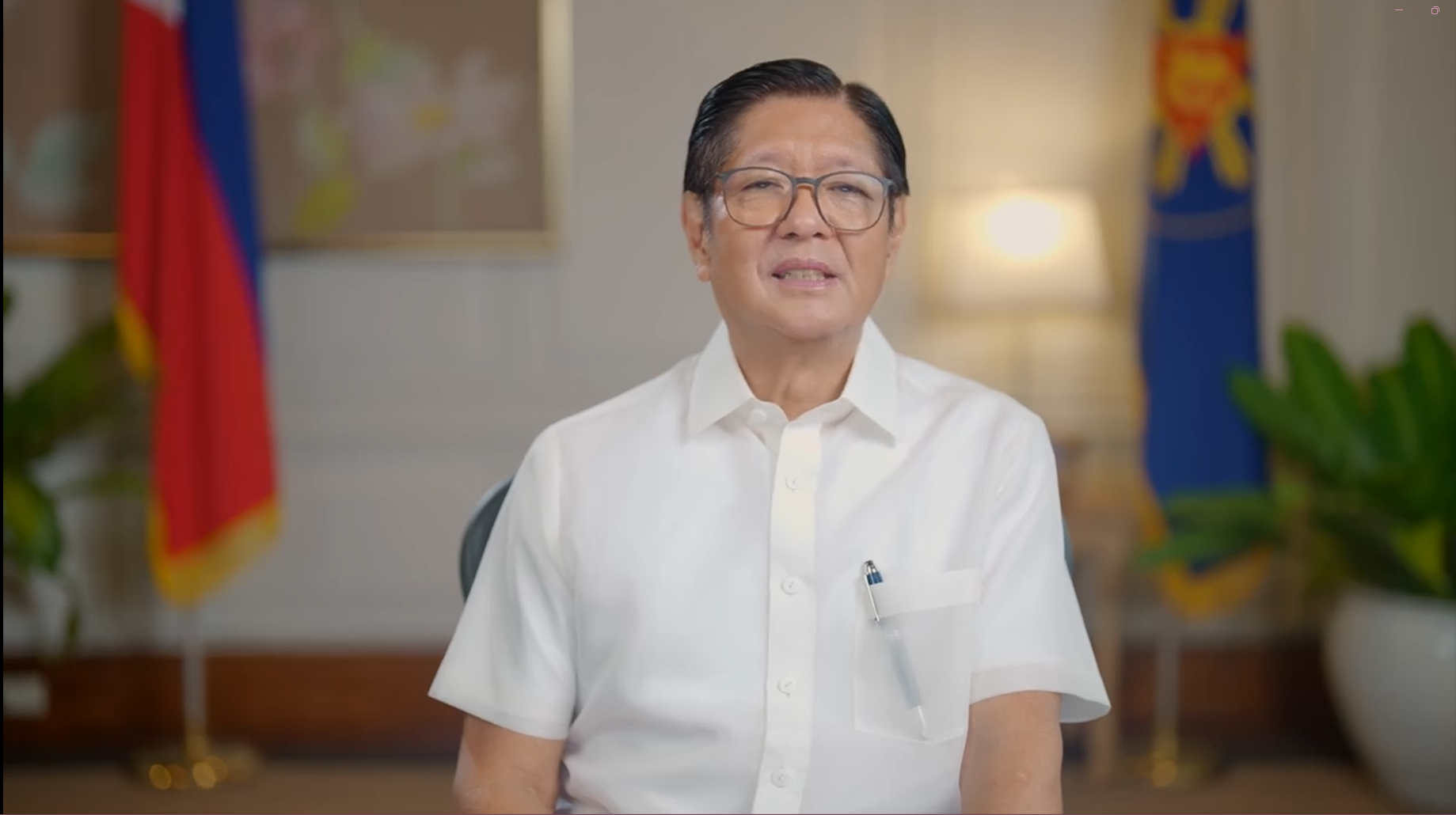
President Ferdinand “Bongbong” Marcos Jr., while sharing updates on his health recovery, outlined a vision for transformative policing and bureaucratic reform in a recent address. Emphasizing that a good policeman should be a holistic guide for national improvement, he concurrently called for the urgent dismantling of antiquated government systems that hinder public service and business efficiency.

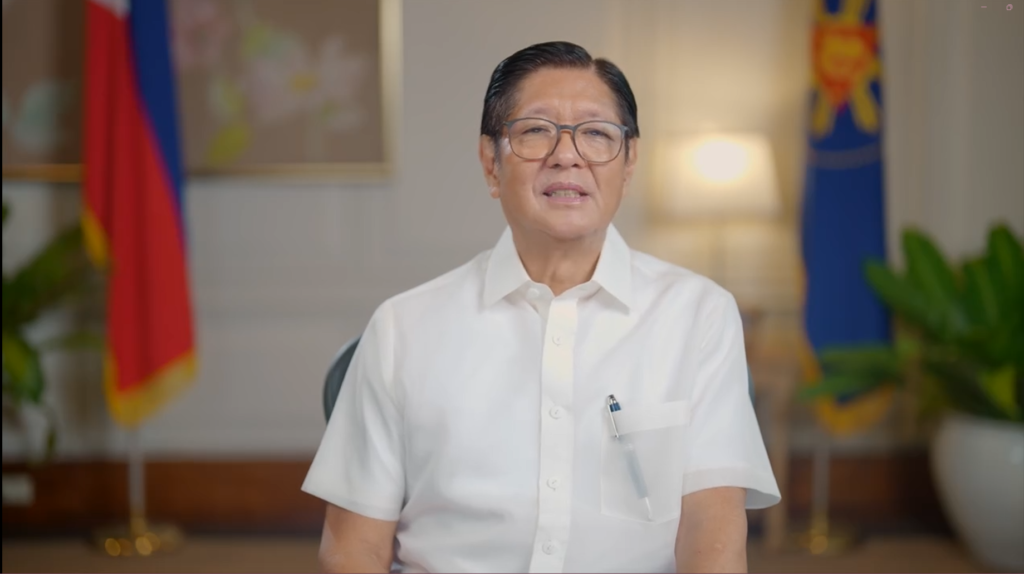
In his wide-ranging remarks, President Marcos defined the ideal policeman not merely as an enforcer, but as a catalyst for broader national goals. “A good policeman can do anything you want, for example, for the government, to improve people’s lives, to provide good healthcare, to help the poor, to lower the price of products, how to improve the economy,” he stated, framing police work as integral to achieving societal dreams and improving public behavior.
To illustrate the profound impact of police and policy on culture, President Marcos cited international examples:
- Singapore’s ban on chewing gum to maintain public cleanliness and infrastructure.
- Germany’s strict policies ensuring right of way for emergency vehicles.
- Japan’s culture of safety and respect for pedestrian lanes.
- Policies promoting work-life balance, such as France’s “right to disconnect” and Belgium’s four-day work week.
- Health-centric policies like Mexico’s sugar tax and bans on trans fats in several regions to combat obesity.
Shifting focus to domestic bureaucracy, the President identified outdated systems as a major hurdle. He criticized self-referential requirements like “the need for an ID to apply for an ID,” redundant form-filling, and the demand for physical appearances in transactions that could be digitized. “We should not rush to the government office just to get a document,” he asserted, signaling a strong push for digitalization.
He highlighted ongoing solutions and initiatives, including:
- The adoption of the e-gov app and digitalization of government systems.
- The LTO’s acceptance of digital licenses and end to physical confiscation.
- The BIP cards in the MRT offering discounts to students and PWDs, with free family rides on Sundays.
- A “zero billing” policy aimed at including the middle class.
- Provision of free fast Wi-Fi on all buses and trains.
President Marcos stressed that the ultimate goal is to “make it easier for Filipinos to live,” ensuring the system “brings comfort to people, not headaches.” He acknowledged that successful police and policy implementation, as seen abroad, relies on public cooperation. Concluding, he invited the public to contribute suggestions in the comment section, seeking input from both citizens and “fellow policemen who can help solve many of our problems.”
The President’s message connects the role of law enforcement with overarching themes of discipline, health, security, and modern governance, positioning police reform within a broader context of cultural and systemic change.#