
The International Atomic Energy Agency (IAEA) projects global nuclear capacity could more than double by 2050, arguing that nuclear power is indispensable for a secure, sustainable energy future. In a statement released today, the agency outlined five core reasons nuclear energy must be part of the decarbonization strategy, highlighting its scalability, reliability, and potential to decarbonize heavy industry.
Capacity Projection: Driven partly by small modular reactors (SMRs), the IAEA’s high-case scenario forecasts nuclear operational capacity could reach 2.6 times 2024 levels by 2050. Currently, nuclear provides about 9% of global electricity and 25% of all low-carbon power.
The Five Pillars: The IAEA cites nuclear energy’s:
- Large-Scale, Low-Carbon Output: Lifecycle greenhouse gas emissions are comparable to wind and lower than solar, with 415 reactors currently operating worldwide.
- Reliable Baseload Power: Provides continuous electricity, complementing variable renewables like wind and solar and meeting growing demand from sectors like data centers.
- Growing Financial & Political Momentum: 33 countries have endorsed a declaration to triple nuclear capacity by 2050. Nuclear energy was also included in the COP28 Global Stocktake agreement, and a major Nuclear Energy Summit is scheduled for March in Paris.
- Decarbonizing Hard-to-Abate Sectors: Advanced reactors can supply low-carbon heat for industries like steel and cement, and power maritime transport.
- Ongoing Innovation: Evolution includes SMRs for flexibility, advanced designs for safety and efficiency, and significant progress in fusion energy research, recently discussed at a ministerial meeting in Chengdu, China.

“Nuclear energy provides access to clean, reliable and affordable electricity,” stated the IAEA Office of Public Information. The agency is expanding cooperation with international financial institutions to support nuclear financing.
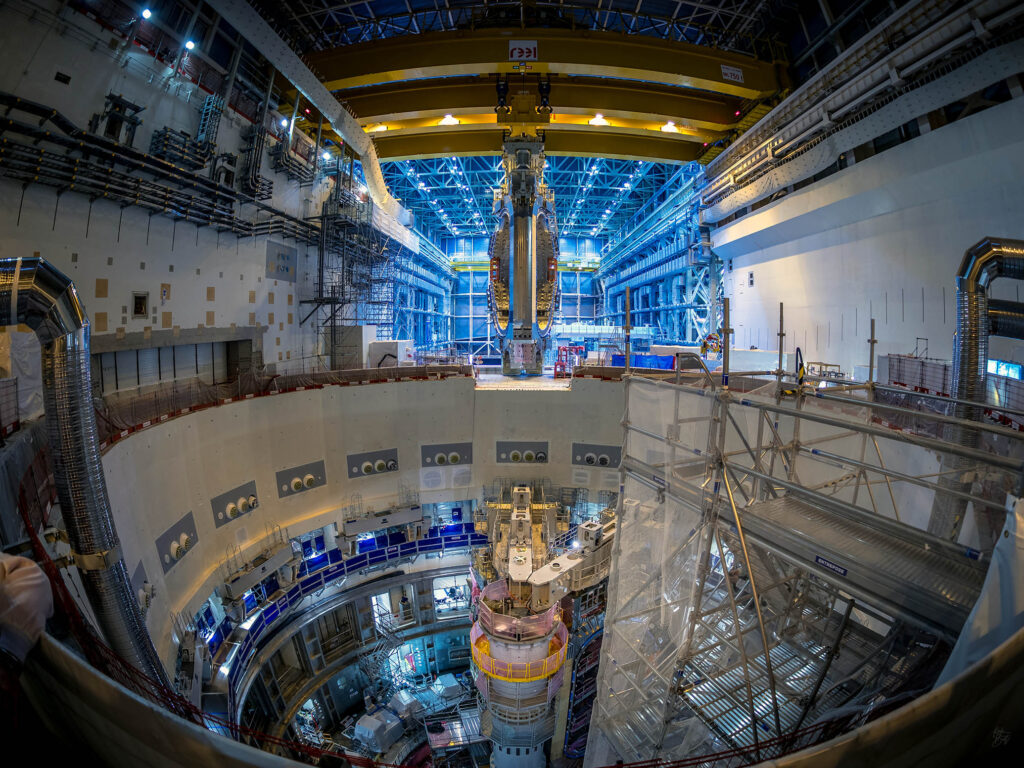
The IAEA’s Power Reactor Information System (PRIS) shows 376.0 GW(e) of nuclear capacity was operational globally as of 20 January 2026.
The second IAEA Nuclear Energy Summit will be hosted by France on 10 March 2026.
The advocacy comes amid increased global focus on energy security and climate goals. The IAEA positions nuclear technology—from existing large-scale plants to emerging SMRs and fusion—as a critical tool for displacing fossil fuels and ensuring grid stability as renewable penetration increases.
The IAEA continues to support member states in planning and developing nuclear power programmes, emphasizing its role in meeting energy needs, enhancing security, and reducing environmental impacts. The upcoming summit in Paris is expected to further solidify international commitment to nuclear expansion.
SOURCE: IAEA Office of Public Information statement, “Five Reasons the Clean Energy Transition Needs Nuclear Power,” dated 27 January 2026.