
A senior geopolitical analyst and forum speaker warned that Japan’s increasingly assertive security posture and its alignment with the United States over a potential Taiwan conflict could drag the Philippines into a war “not of its own making,” as regional tensions continue to rise in the Asia-Pacific. During a public forum, the speaker highlighted remarks made by Japanese political figure Takeuchi, who previously stated that a Chinese attack on Taiwan—including a naval blockade—would constitute an existential threat to Japan, justifying the exercise of collective self-defense and possible military action alongside the United States.

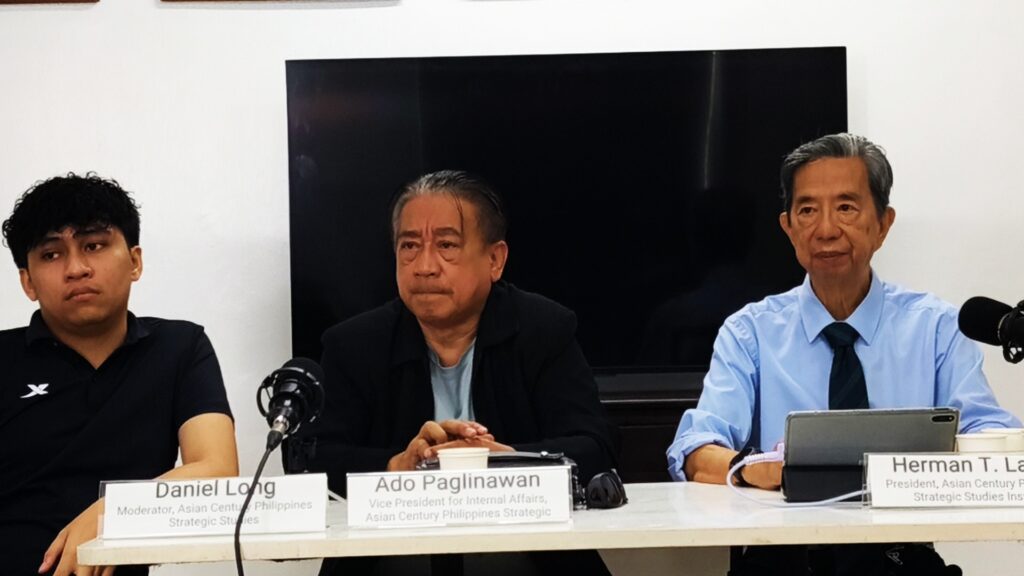
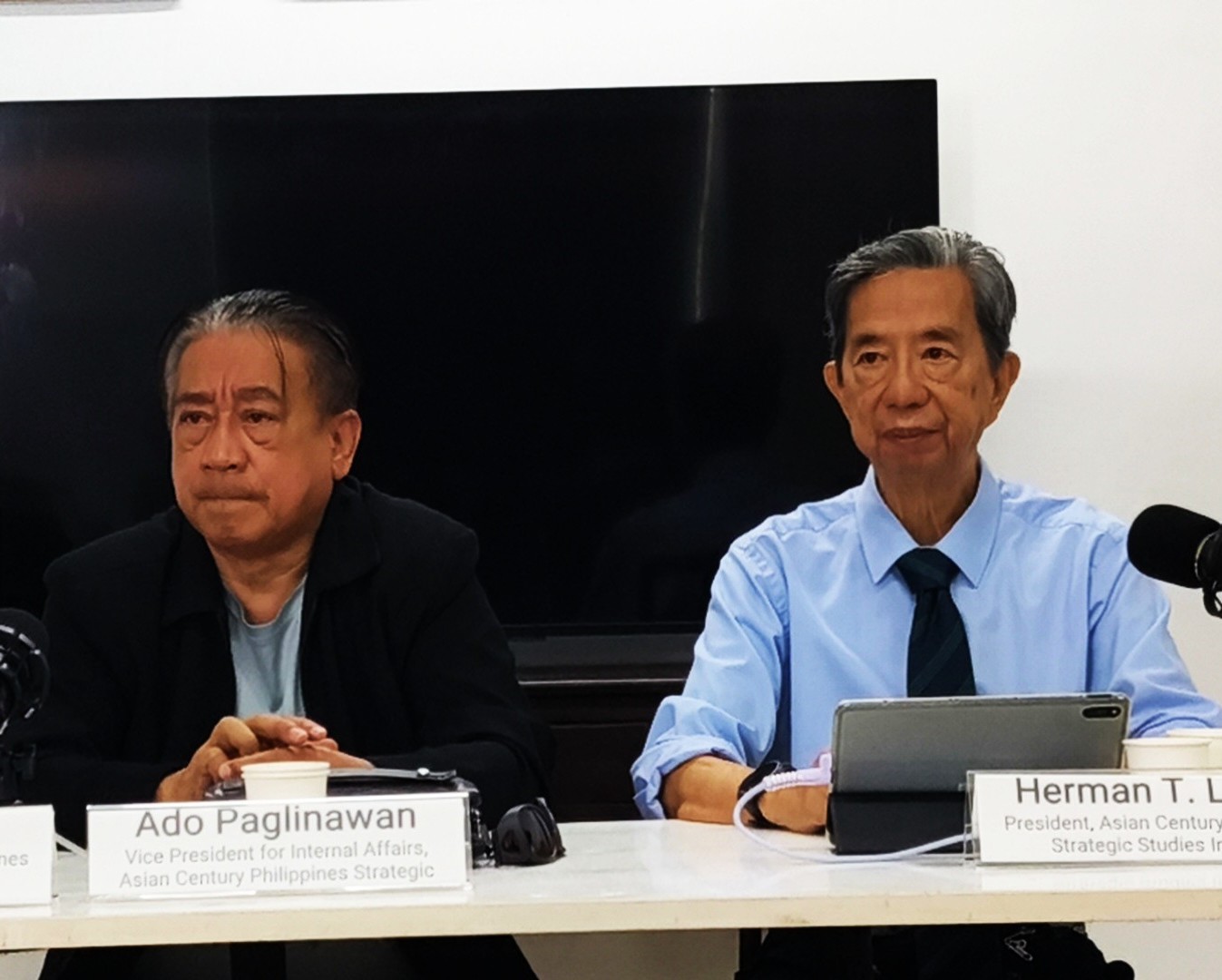
According to Ado Paglinawan, this position effectively expands the moral and strategic doctrine in the region by treating any attack on Taiwan as an attack not only on Japan but also on the United States, despite Washington being “10,000 miles away.” Takeichi also suggested that Japan’s Self-Defense Forces could cooperate with U.S. troops in evacuating Japanese and American citizens during a Taiwan contingency, reinforcing concerns over Japan’s deepening military integration with U.S. strategy.
Paglinawan stressed that Takeichi has not retracted her statements despite sharp criticism and now faces a critical election just months into office, a development seen as politically destabilizing. He warned that Japan’s trajectory toward what he described as “neo-militarism” risks undermining long-standing ASEAN principles of neutrality and non-nuclear proliferation, which Southeast Asian states—including the Philippines—have relied on to maintain regional stability.
Placing the issue in a broader regional context, the speaker contrasted Japan’s position with South Korea’s more cautious approach. He cited South Korean President Lee Jae-myung’s January 2026 visit to China, where Seoul reaffirmed its recognition of Beijing’s one-China policy and prioritized economic stability and cooperation with China while managing its alliance with the United States amid unresolved tensions on the Korean Peninsula.
The Philippines, however, was described as being in a far more precarious situation. Herman Laurel, head of Asian Century Philippines Strategic Institute (ACPSSI) warned that calls by some Philippine senators to expel the Chinese ambassador could lead to serious diplomatic retaliation, jeopardizing the safety and livelihoods of hundreds of thousands of Filipinos in China and straining economic ties. He emphasized that only the Philippine president has the authority to declare a diplomat persona non grata and cautioned against what he called “reckless rhetoric” that could escalate tensions unnecessarily.
Economically, the speaker argued that improving relations with China—particularly through tourism, trade, and investment—could provide a critical lifeline for the Philippine economy. He cited government initiatives such as visa-free entry for Chinese tourists and noted that Chinese tourism alone could generate billions of dollars and support millions of Filipino workers if normalized relations are restored.
In conclusion, the forum warned that deeper military entanglement with Japan and unquestioning alignment with U.S. strategic objectives could push the Philippines closer to conflict and “the wrong side of history.” The speaker urged Manila to return to a balanced and independent foreign policy, arguing that regional peace and national economic survival depend on avoiding polarization and resisting militarization in the Asia-Pacific.#