In a stunning televised expose, the chairman of the anti-corruption watchdog Crime and Corruption Watch International (CCWI) Carlo Batalla revealed extensive alleged graft within the Philippine Department of Public Works and Highways (DPWH), involving dozens of major contractors, ghost projects, and a failure of oversight bodies to act on years-old complaints.

Massive Contractor Blacklisting Attempt:
CCWI Chairman Carlo Batallas disclosed that in 2022, he filed formal complaints with the Presidential Anti-Corruption Commission (PACC) and the Office of the Ombudsman seeking to investigate and blacklist 43 “big-time” contractors. He presented alleged evidence of non-performing and severely delayed infrastructure projects.
“Ghost Projects” and Falsified Records:
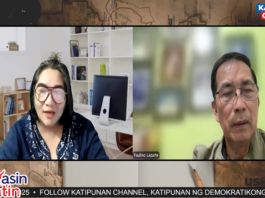
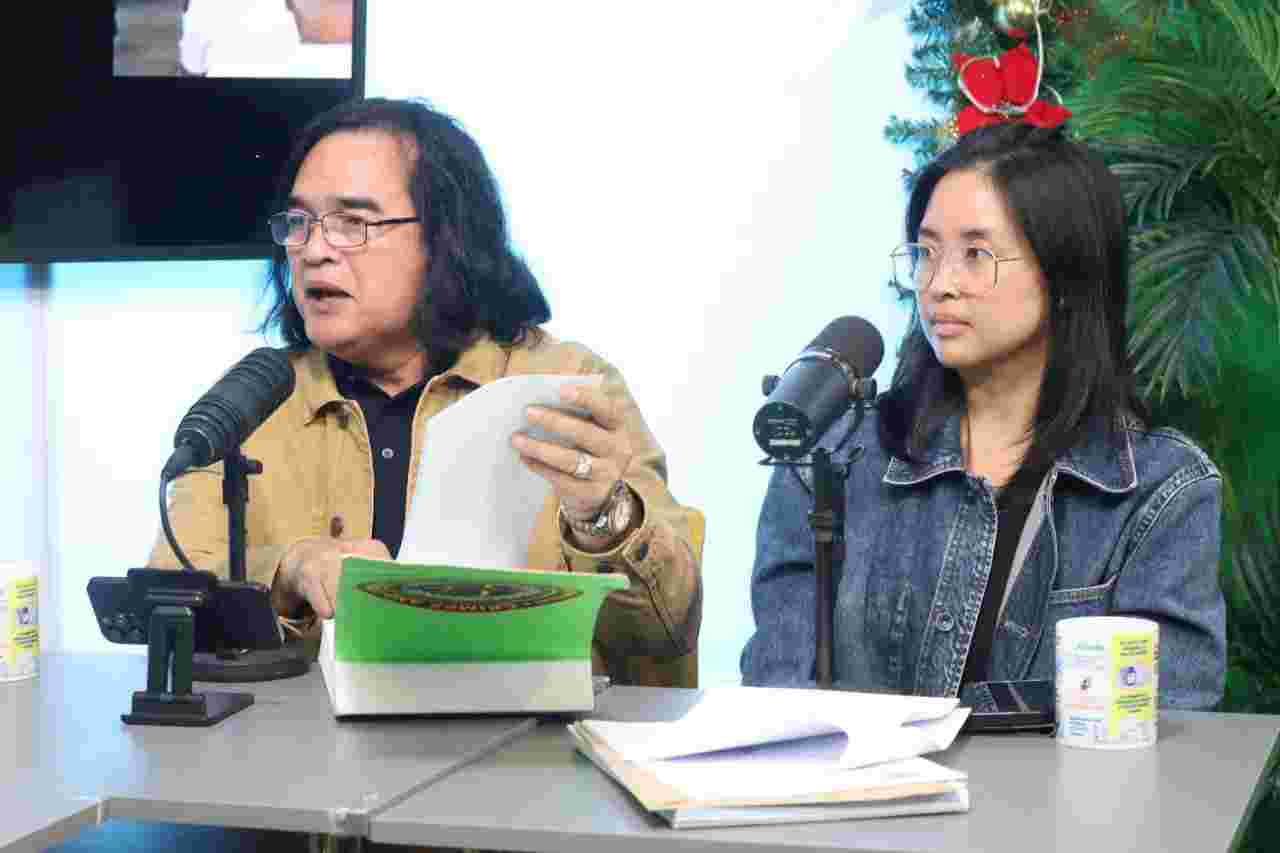
The interview centered on the Project Contract Management Application (PCMA), a DPWH system mandated to provide real-time updates on project progress. Batallas and CCWI Deputy Executive Director Mills Espina, a Certified Public Procurement Specialist, alleged that the PCMA is systematically falsified, showing projects as “100% complete” when they have not even started on the ground. “100% of the list of PCMA, if you go to the site, it’s not there,” Batalla stated.
Failure of Oversight:
Batalla expressed frustration that despite filing complaints as early as 2022-2023, the Ombudsman dismissed many cases. He suggested a pattern of inaction allowed the corruption to continue. However, he noted a recent shift, citing a faster response (within two weeks) from the Ombudsman regarding a new demand linked to a recent “flood control scam.”
Violation of Procurement Law:
Mills Espina detailed specific legal violations. She cited Presidential Decree 1870, which states contractors with a negative slippage (delay) of 15% or more should not be awarded new projects. Despite this, CCWI’s investigation found contractors with multiple delayed projects consistently winning new bids. Espina emphasized that CCWI personnel are certified Public Procurement Specialists, trained under Government Procurement Policy Board (GPPB) curricula, allowing them to authoritatively identify these breaches.
Systemic Pattern and Public Data:
The whistleblowers asserted the corruption is not isolated to DPWH but is a systemic pattern replicated across government agencies because their bidding processes are modeled after DPWH’s. Ironically, they stressed that all evidence used in their cases comes from publicly available documents—live-streamed bid openings on YouTube, DPWH websites, and procurement portals. The problem, they said, is a lack of public education and sufficient monitoring to “put it together into a case.”
Call for Civil Society Mobilization:
Both Batalla and CCWI legal counsel Atty. Al Vitangcol identified the core solution as expanding independent monitoring. With fewer than 100 certified procurement specialists nationwide in their network, they called for more Civil Society Organizations (CSOs) to be trained and empowered to oversee public bidding. “We need Civil Society Organizations to help monitor how the public funds will be spent. Because otherwise, we can’t do it,” Espina said.
The interview connects these allegations to broader public discontent over infrastructure quality, citing the perennial problems of Metro Manila’s EDSA highway as a symbol of stalled development and misappropriated funds that could have built multiple modern highways.
The CCWI’s allegations paint a picture of deeply entrenched corruption in Philippine public works procurement, facilitated by falsified digital records and inadequate oversight. While they acknowledge recent positive pressure and a culture of fear among corrupt officials, their primary recommendation is a structural one: the massive scaling up of trained, independent civil society watchdogs to provide the constant monitoring that official bodies have allegedly failed to deliver.#