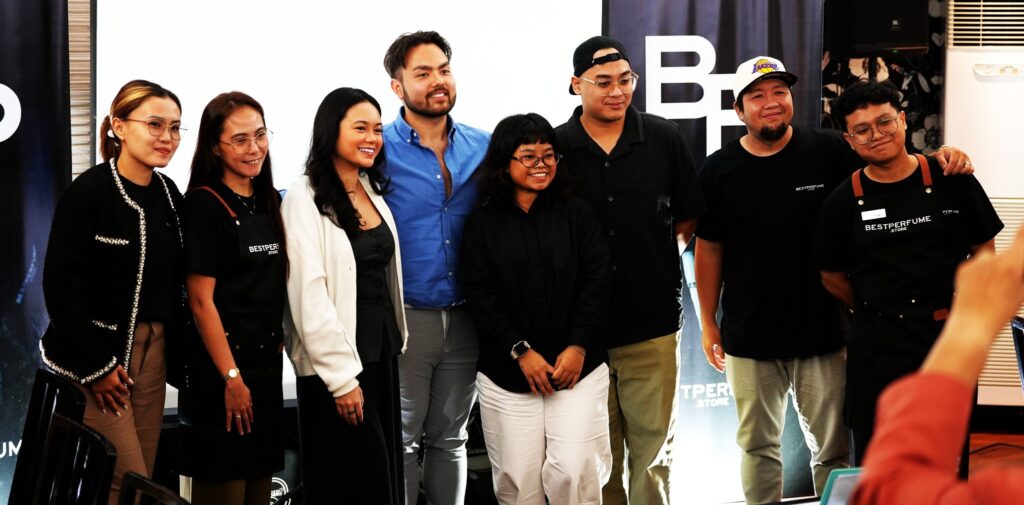
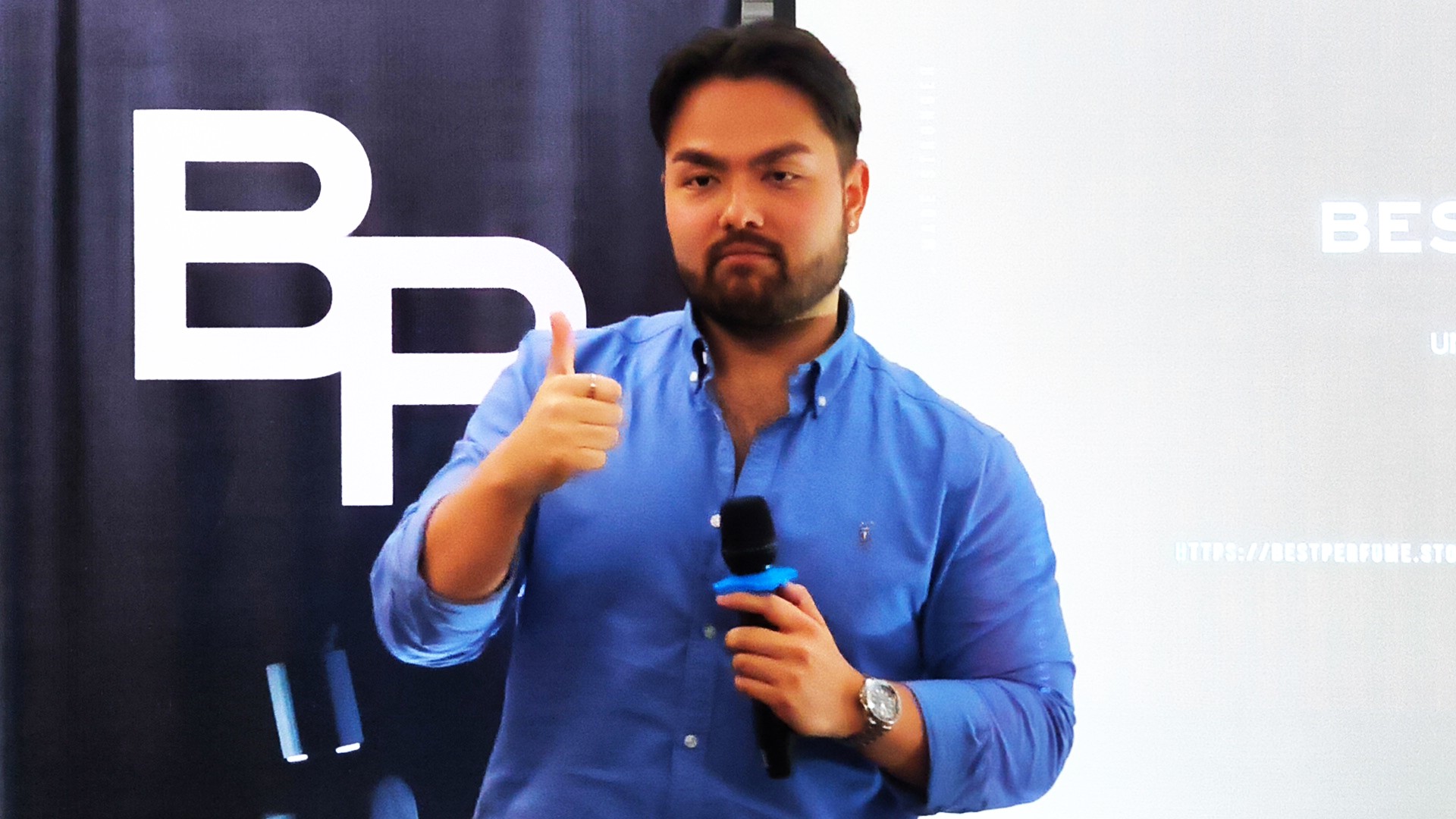
Best Perfume Store (BPS), the Singapore-based fragrance brand that has positioned itself as the city-state’s number one perfume retailer, has officially set its sights on the Philippines as its first international expansion destination. Founder Josh, a former bartender and teacher who lost his job during the COVID-19 pandemic, led a high-energy presentation in Manila to introduce a brand built not on inherited wealth or investor backing, but on the conviction that quality perfume should be affordable, long-lasting, and backed by obsessive customer care.

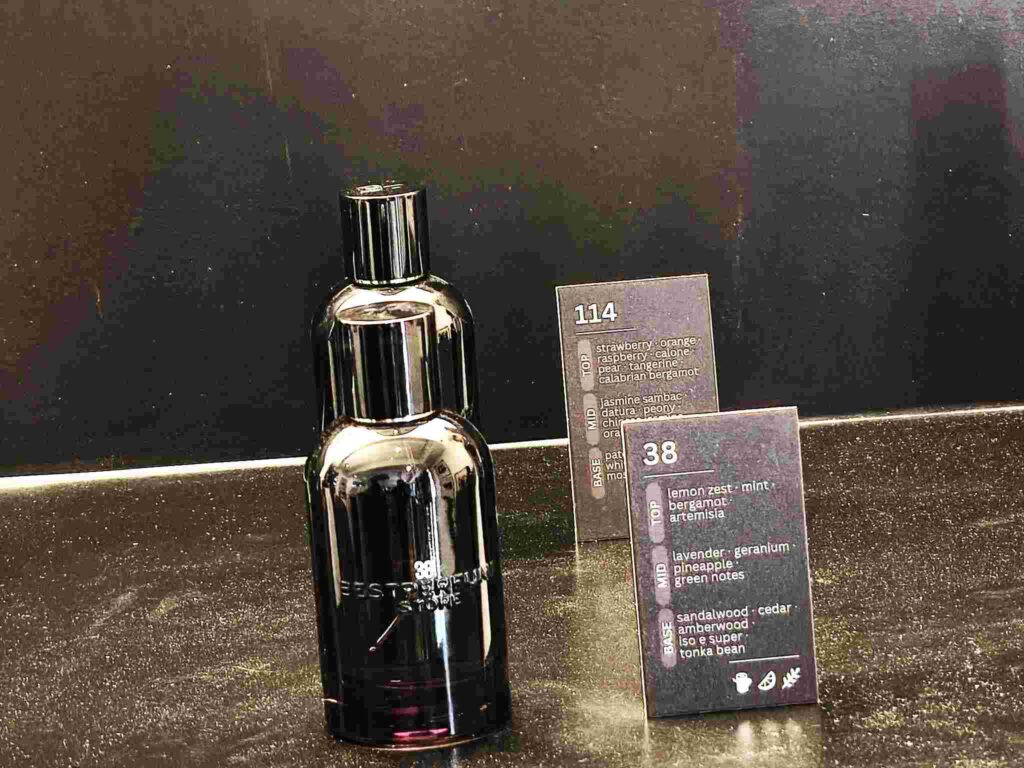
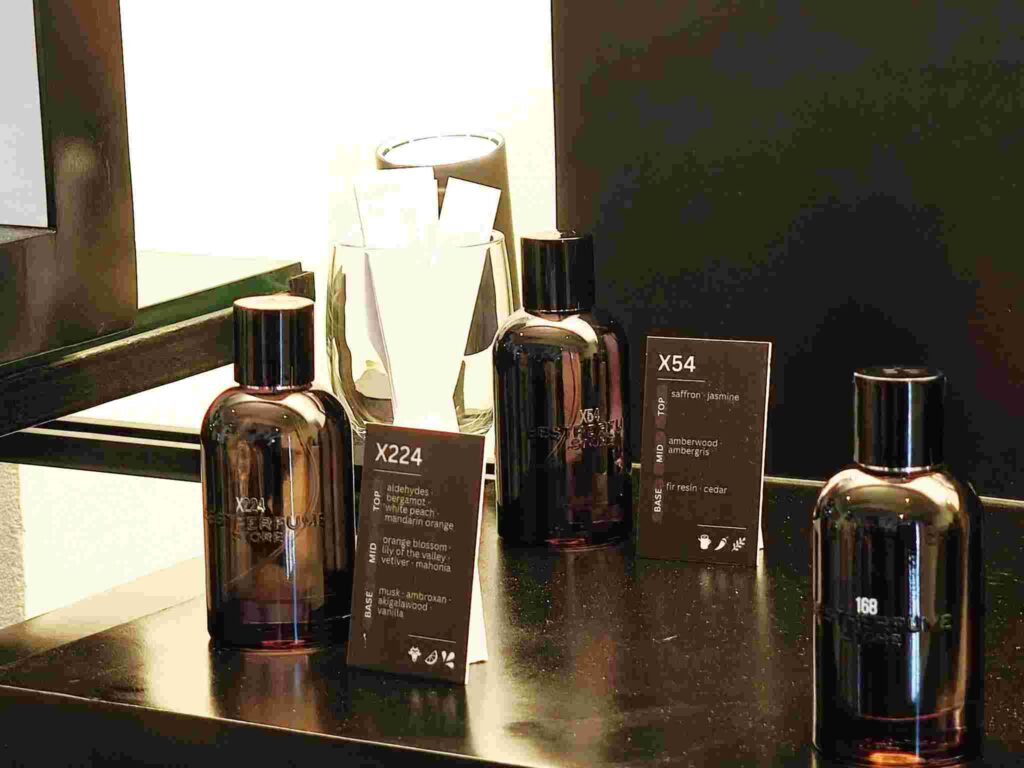
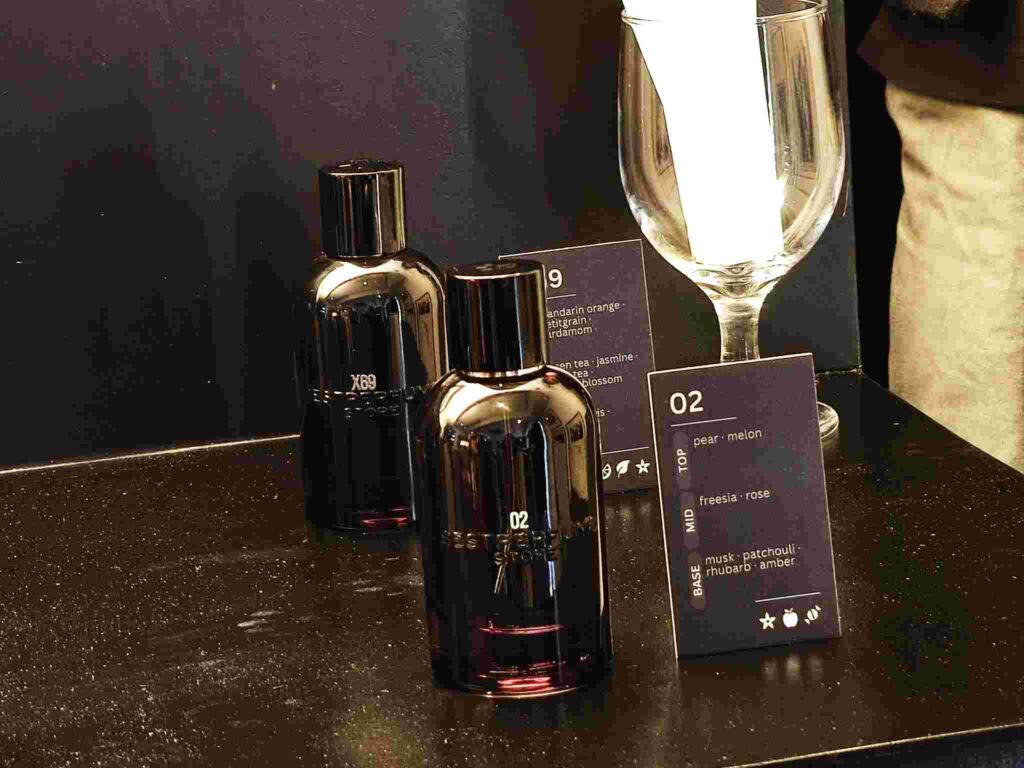
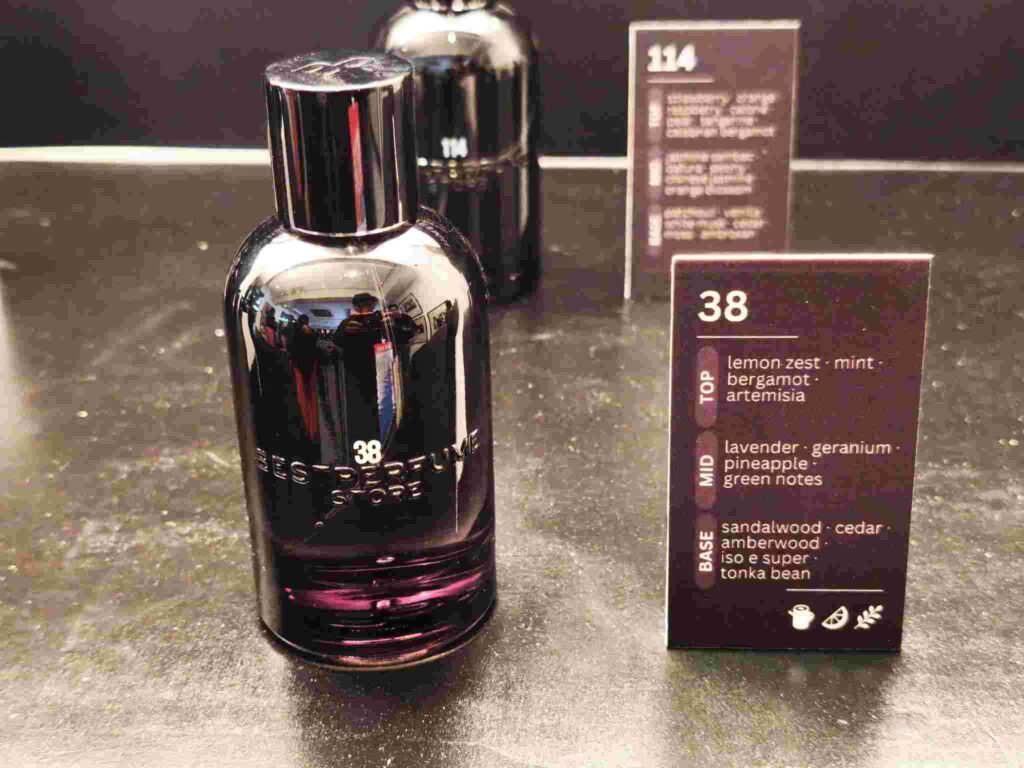
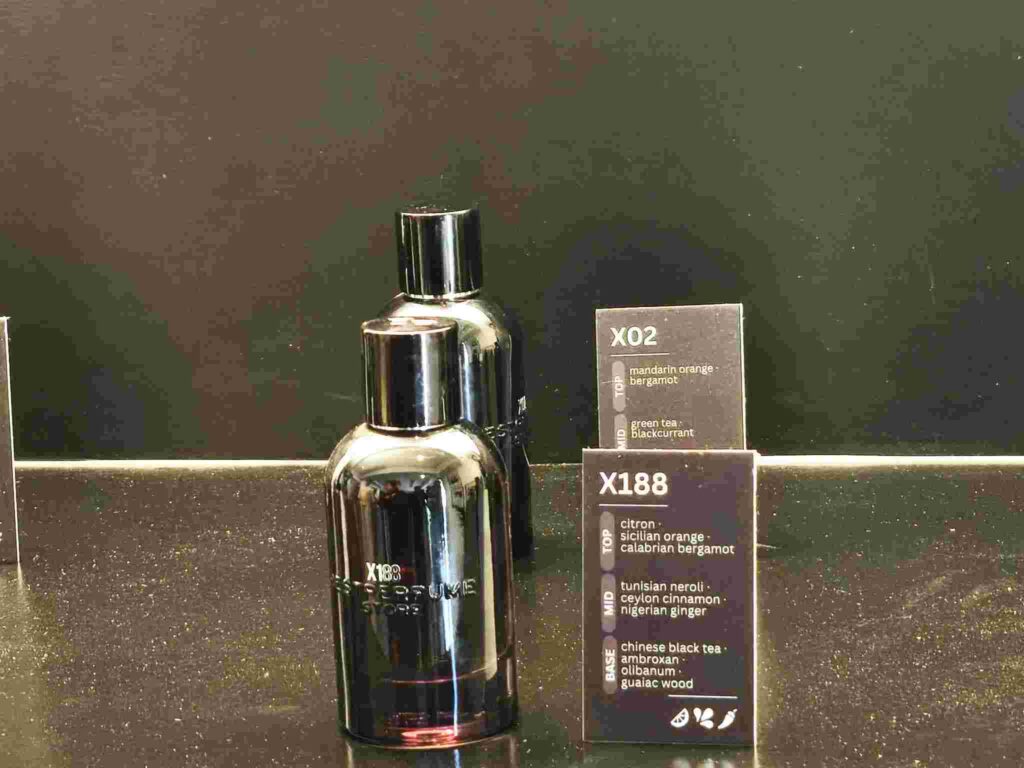
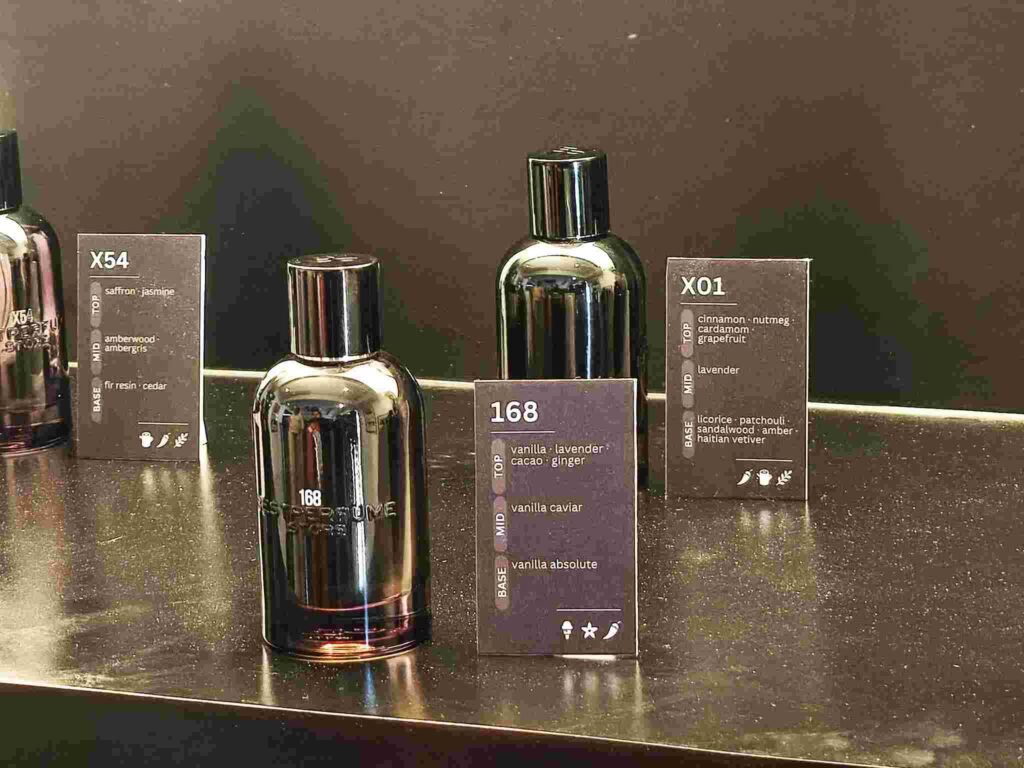
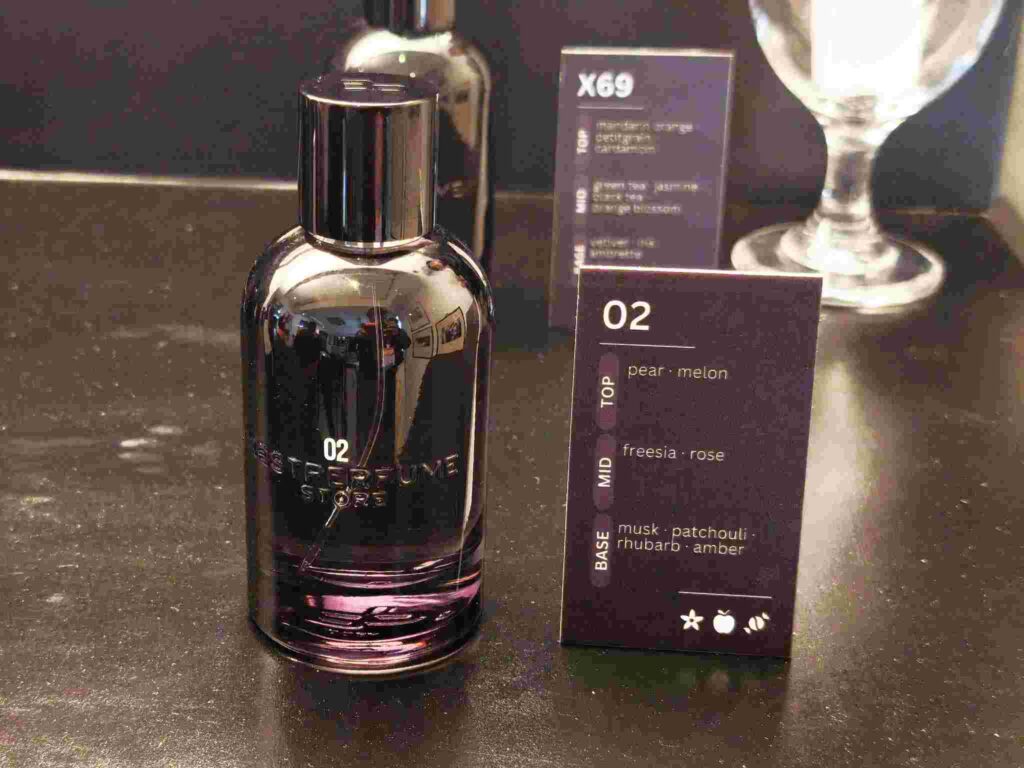
With nearly 300 fragrances in its catalog, a claimed industry-leading 50% concentrate with no filler oils, and a lifetime repair policy that covers even theft and accidental damage, BPS is making a bold promise to Filipino consumers: you don’t have to sacrifice quality for affordability.
The Core Promise: Affordable Luxury That Lasts
At the heart of the BPS proposition is a technical claim that sets it apart from mass-market competitors. According to Josh, most perfumes dilute their formulations with DPG (dipropylene glycol) or other filler oils to cut costs. BPS, he asserts, does not.

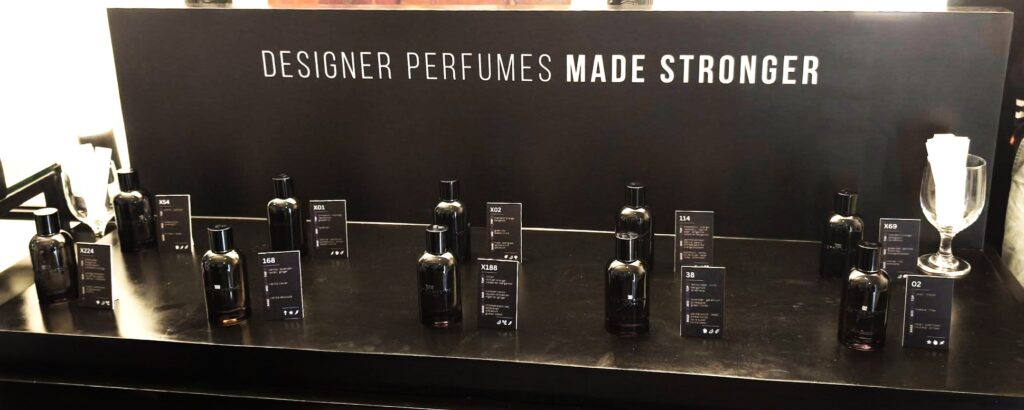
“Our concentrations are at 50%,” Josh told media. “And it’s not just concentration. Some brands use filler oil and say they’re high oil concentrate, but they’re not. To be able to do such a high concentrate at the original ingredients from the original manufacturers… it’s actually quite expensive for us to sell.”
The brand sources its ingredients from the same European manufacturers that supply Dior, Chanel, P&G, and Unilever—names like Givaudan, Firmenich, IFF, and Ciprize. Josh emphasized that genuine original ingredients come exclusively from Europe, with fixed prices. “If anyone says there’s more than one place to buy original ingredients, you can question the compliance and health checks,” he stated.
The business model reflects this confidence: “We don’t even make money on the first bottle. We make money on your next purchases. We’re so confident that people will come back. If you understand quality, there’s no chance you won’t come back.”
Founder’s Journey: From Bartender to Brand Owner

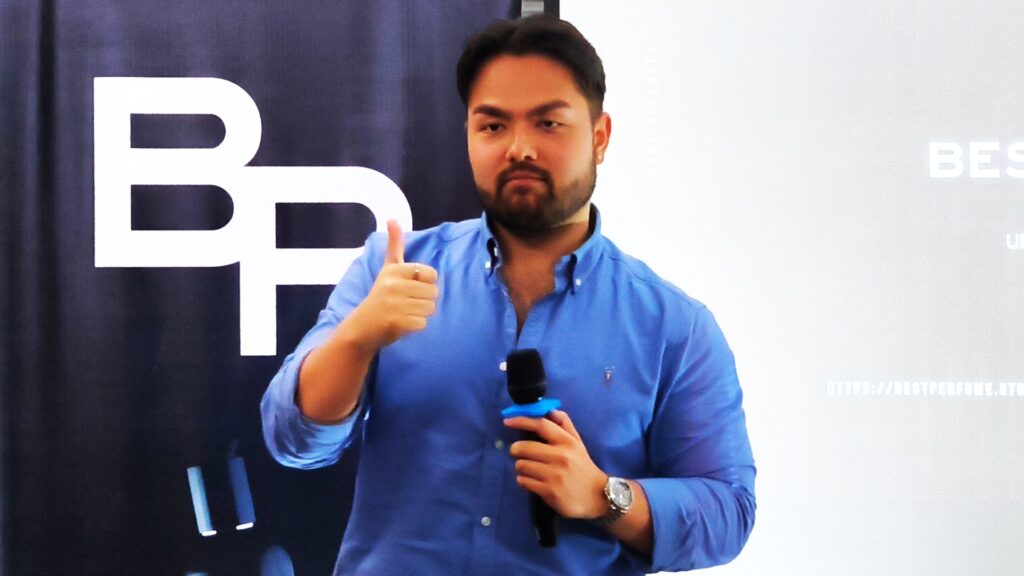
Josh’s personal story was a recurring touchstone throughout the presentation. He described a background without family money or a powerful network—only hard work and a clear-eyed understanding of what it means to not be able to afford small luxuries.
“I still don’t understand what it feels like to not be able to afford a 200 Pesos drink. I still remember what it felt like. I had to work one hour for that drink. Right? So that’s exactly what the brand is. It’s being affordable.”
He worked as a teacher and a bartender for years, lost his job during COVID, and was unemployed after university. But he insists that privilege, while real, is not the whole story. “There is privilege of being in Singapore, in a country that is helpful, and having the right people around you. That is luck. I won’t take that away. But the money put in was made just for working.”
That working-class sensibility shapes the brand’s mission: affordable perfumes, value for money, and access for everyone—without shortcuts on safety, health standards, or ingredients.
No Investors, No Shortcuts: A 100% Owned Philosophy
One of the most striking revelations from the Manila launch was that BPS has taken zero outside investment. Josh explained that this structural choice allows the company to prioritize customers over profit margins in ways that would alarm traditional investors.
“Investors, if they looked at our profit, would say, ‘Why are you spending so much money to give the customer so much?’ They would not be happy. Being able to be 100% owned allows me to always choose the best things and not have to give money to investors.”
This philosophy extends to product quality, packaging, and service. Josh said he consistently chooses the most expensive option—from bottle caps and spray mechanisms to glass thickness and box materials—because “if you give the best, the good people will stay.”
Expansion to the Philippines: SM Malls by 2027
The Philippines marks BPS’s first country outside Singapore, with plans to enter Indonesia, Malaysia, and one additional market, bringing the total to four countries. The brand already has a significant retail presence in Singapore’s equivalent of SM Malls—Central, Westside, and soon Eastside—and Josh confirmed that BPS is targeting SM Malls in the Philippines by 2027 or 2028.
“Very difficult to get these spots, but they accepted us to come in because of how big the presence was,” he said. Local production and fulfillment are already planned for the Philippines, alongside Malaysia and Indonesia.
The pricing point—approximately 3,500 Pesos per bottle—was acknowledged as “slightly higher” for the local market. Josh welcomed questions on financing and marketing strategies, signaling flexibility and a willingness to engage with local business realities.
Addressing the Philippine Climate: Heat, Humidity, and Commutes
During the Q&A session, local journalists and industry professionals pressed Josh on how BPS perfumes would perform in the Philippines’ hot, humid environment—particularly for commuters riding jeepneys and tricycles, moving between air-conditioned spaces and outdoor heat.
Josh’s answer leaned heavily on the 50% concentrate. “At 50% concentrate, you will get lasting better than any brand. I will lay down and challenge that there is nothing else you can buy better. Full stop, there’s nothing. That’s not arrogance. That’s a factual A versus B comparison.”
He added that summer scents—grapefruit, lime, lemon, refreshing notes—are natural recommendations, but the brand does not dictate preferences. Instead, in-store staff guide customers through testing, including “full wear” trials and take-home samples in plastic bagging. An online quiz is also available.
Ben, a team member brought up to answer, emphasized that perfumes are deeply personal. “We don’t force you to buy anything. We’re here to guide you. Until you actually know how it sits on your skin, how it smells, it really resonates with you.”
Target Demographic: The Informed Buyer (Ages 25–45)
BPS is not chasing the youngest crowd. Josh was explicit about the brand’s target market: people who have bought several perfumes, built a small collection, and understand the difference between cheap and expensive fragrances.
“We’re targeting people who know the market and know what quality looks like. That’s usually around 25 to 45. But again, we have people as young as 60 using our perfume. It’s gifts. We have perfumes for everybody.”
The brand offers men’s, women’s, and unisex options, with an emphasis on variety to match different moods, occasions, and settings. “You’re not always going to wear the same clothes, the same shoes, even the same makeup or style. So you want different smells for your moods.”
Customer Service That Goes Beyond the Bottle
Perhaps the most aggressive promise from BPS is its after-sales policy. Josh outlined a suite of guarantees that challenge industry norms:
- Lifetime free repairs for accidental damage (“You drop it on the floor, we fix it for free, no questions.”)
- Free replacement if your perfume is stolen.
- Exchanges, guarantees, and warranties designed so that customers “never feel regret or that we don’t care about you.”
In Singapore, the in-store experience is described as high-energy and hands-on. Customers are approached immediately, and the sheer volume of people testing fragrances means the store itself carries a mix of scents. “The first smell you smell is probably people. A lot of people. The second smell is everybody spraying their perfumes,” Josh admitted candidly.
When asked whether the same level of service would be offered in the Philippines, Josh deferred to his customer service head, confirming that local staff would be trained to answer inquiries personally.
Local Ingredients and Future Releases: Cautious but Open
Jessica from Manila Polytechnic, a perfume student with SIPCA, asked whether BPS would incorporate unique Philippine oils such as Pili oil or local vetiver—ingredients actively promoted by the Department of Science and Technology (DOST).
Josh’s response was mixed. Speaking personally, he expressed enthusiasm and a willingness to collaborate on extraction, maceration, and formulation. But as a business owner, he was cautious.
“For the business, I still have to do what the customers want, which is the closest smell to what they can buy off shelves. Unless the perfume has Pili in vetiver, which I have not seen in the European order sheets, I cannot put my personal interests above what people want.”
He suggested a timeline of five to ten years for country-specific limited editions, and only if the brand grows large enough to release original compositions. Currently, BPS focuses on “representing” existing popular perfumes—just done stronger.
On the question of Chinese and Korean fragrances (particularly tea notes), Josh noted that demand drives development. “We accept demand. We only process based on demand. I made the mistake of liking stuff I liked and trying to release it. It doesn’t do very well.”
New releases, however, face a major hurdle: health compliance across four countries simultaneously. The Philippines requires FDA approval; Singapore has HSA; Indonesia has BPOM; Malaysia has NPRA. Josh estimated that new fragrances would likely arrive by the end of the year or next year, after all markets are operational.
The Shift from Special Occasion to Everyday Wear
In response to a question about changing consumer behavior, Josh articulated a vision that aligns with his own background. He noted that perfume has traditionally been reserved for special occasions—but he wants to change that.
“I used to be someone that couldn’t afford perfume. I always wanted something I could use every day. Once you start using perfume as an everyday thing—like makeup, like doing your hair, like brushing your teeth—it changes things. Put 100 guys in a room and one or two wear perfume. You’ll think, okay, he takes care of himself.”
He compared changing one’s scent to changing clothes or even underwear—a small daily act of self-respect and excitement. “Sometimes you just wear the same t-shirt every day, but you can change your smell.”
Key Takeaways for the Philippine Market
| Aspect | BPS Position |
|---|---|
| Concentration | 50% with no filler oils |
| Ingredient Source | European manufacturers (Givaudan, Firmenich, IFF, etc.) – same as Dior, Chanel |
| Pricing | Approximately ₱3,500 per bottle |
| Target Age | 25–45 (knowledgeable buyers) |
| Retail Presence | SM Malls targeted for 2027–2028 |
| After-Sales | Lifetime free repairs, theft replacement, exchanges |
| Ownership | 100% founder-owned, no investors |
| Local Production | Planned for Philippines, Malaysia, Indonesia |
| New Releases | Demand-driven, delayed by multi-country health compliance |
| Local Ingredients | Personally open, but not in current business roadmap |
A Brand Built on Belief
Josh’s Manila presentation was less a polished corporate pitch and more a personal manifesto. He spoke of privilege without apology, of hard work without romanticism, and of a business model that deliberately sacrifices first-bottle profit for long-term trust.
“The story is not from money. Not from network. It’s from people. Because I am that.”
Whether that message resonates with Filipino consumers—who face high humidity, daily commutes, and a wide range of local and international fragrance options—will be tested when BPS opens its first local outlets. But if the brand delivers on half of its promises—50% concentrates, lifetime repairs, and genuine customer care—it may well force established players to rethink what “affordable quality” really means.
For now, Josh’s challenge to the Philippine market is simple: Try it. Wear it all day. If you understand quality, you’ll come back.#