
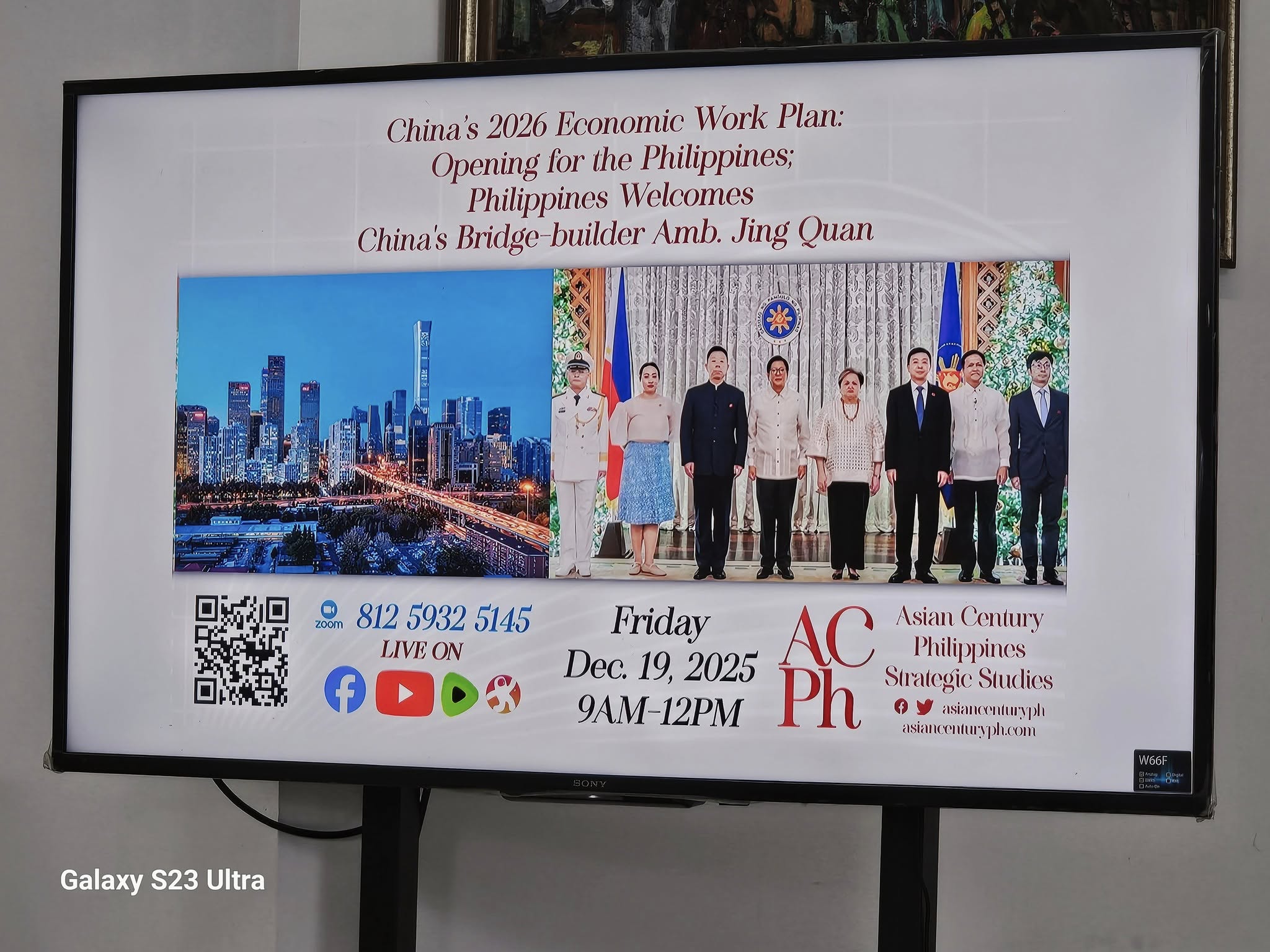
As China finalizes its economic blueprint for 2026, emphasizing greater import openness and domestic demand, Southeast Asian nations are poised to benefit—but the Philippines risks being left behind due to declining trade and tourism ties with Beijing.
China’s recently concluded Central Economic Work Conference set the agenda for the first year of its 15th Five-Year Plan (2026–2030), signaling continued economic opening and proactive macroeconomic policies. Analysts note that ASEAN economies are particularly well-positioned to gain from China’s push to import more goods, especially as the United States raises tariffs on multiple trading partners.
The Philippines, however, stands in contrast. Its exports to China have continued to fall, with banana shipments dropping sharply from 1.4 million metric tons in 2019 to about 460,000 metric tons in 2024. Tourism has also suffered: Chinese arrivals plummeted from 1.8 million in 2019 to roughly 330,000 in 2024, costing the country an estimated US$1.5 billion in lost revenue.
China’s Economic Strategy for 2026
The annual planning conference in Beijing outlined policies aimed at boosting “new quality productive forces” and expanding domestic demand. This approach is expected to create opportunities for exporters in food, agriculture, consumer goods, and intermediate products—sectors where the Philippines once held competitive advantage.
China’s 14th Five-Year Plan (2021–2025) already demonstrated resilience, with trade surpluses exceeding US$1 trillion and reduced reliance on the U.S. market. The new plan continues this trend, with a focus on strengthening supply chains and opening further to imports from developing economies.
ASEAN Advantage through Trade Pacts
ASEAN as a whole is set to benefit from China’s import-oriented shift. Trade between China and ASEAN exceeded US$1 trillion this year, supported by the ASEAN–China Free Trade Area (ACFTA 3.0) and the Regional Comprehensive Economic Partnership (RCEP), which have cut tariffs by up to 92 percent.
Neighboring economies such as Vietnam, Cambodia, and Thailand have already seen export growth to China ranging from 10 to 17 percent in 2024.
Philippines’ Declining Position
While regional partners gain, the Philippines’ economic outlook has darkened. International financial institutions have revised growth projections downward to around 5.1 percent for 2026. Employment data show significant losses in agriculture and manufacturing, with over 300,000 jobs reportedly lost in manufacturing by August 2024.
The growing trade deficit with China, driven by continued imports of low-cost, high-tech Chinese goods, adds further strain.
Call for Strategic Re-engagement
Experts urge Manila to adopt a pragmatic economic strategy, depoliticize engagement with China, and realign trade and investment efforts with China’s consumption-driven sectors. The Philippines must re-engage on agricultural market access and leverage its existing capacities to supply China’s growing demand.


“The opening is clear,” concludes the Herman Tiu Laurel during the ACPSSII Media Forum, “Whether the Philippines chooses to step through it remains a matter of policy will and strategic clarity.”#