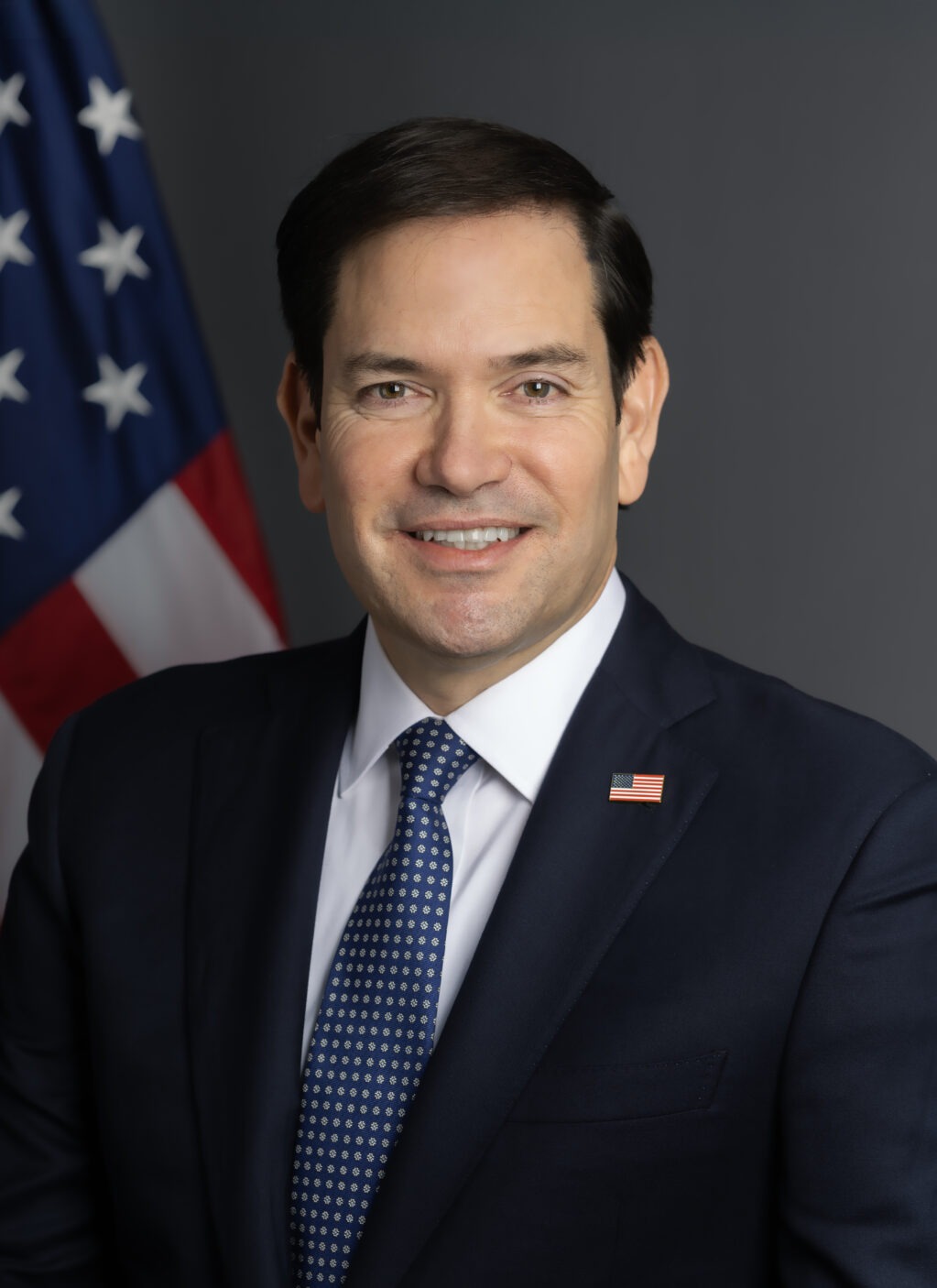
Secretary of State Marco Rubio announced Thursday the designation of two International Criminal Court judges for sanctions, accusing them of engaging in “politicized actions” targeting Israel and warning of “significant and tangible consequences” for what the administration called ICC overreach.

Judges Gocha Lordkipanidze of Georgia and Erdenebalsuren Damdin of Mongolia have been sanctioned under Executive Order 14203, “Imposing Sanctions on the International Criminal Court,” for their involvement in ICC efforts to investigate Israeli nationals without Israel’s consent.
‘Dangerous Precedent’
“The ICC has continued to engage in politicized actions targeting Israel, which set a dangerous precedent for all nations,” Rubio said in a press statement released December 18, 2025. “We will not tolerate ICC abuses of power that violate the sovereignty of the United States and Israel and wrongly subject U.S. and Israeli persons to the ICC’s jurisdiction.”
The sanctions specifically cite the judges’ participation in a December 15 ruling against Israel’s appeal, with both jurists having “voting with the majority” on the decision.
Jurisdictional Dispute
The administration’s action centers on the fundamental argument that neither the United States nor Israel is party to the Rome Statute, the treaty that established the ICC.
“Our message to the Court has been clear: the United States and Israel are not party to the Rome Statute and therefore reject the ICC’s jurisdiction,” Rubio stated.
The designations were made pursuant to section 1(a)(ii)(A) of Executive Order 14203, which authorizes sanctions against individuals directly engaged in ICC efforts to investigate, arrest, detain, or prosecute protected persons without the consent of partner nations.
Broader Context
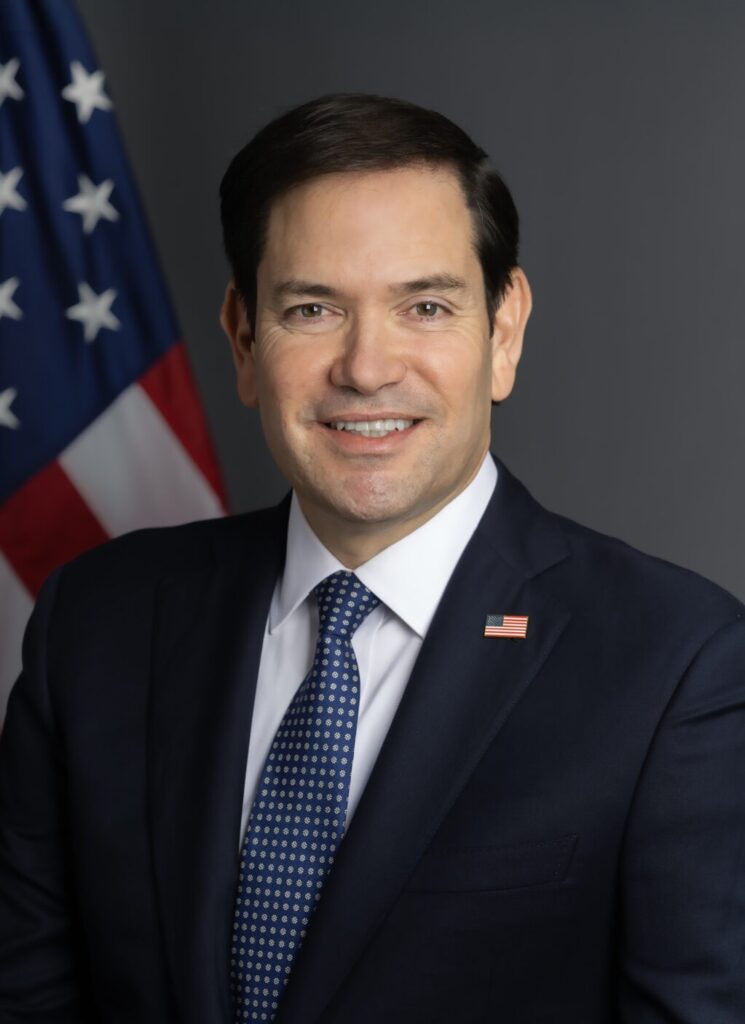
The announcement comes as the second Trump administration continues its aggressive posture toward international institutions. Rubio, sworn in as the 72nd Secretary of State on January 21, 2025, after a historic 99-0 Senate confirmation vote, has prioritized what he describes as a “America First” approach at the State Department.
The Cuban American former Florida senator, whose personal biography includes his family’s escape from communist Cuba, has previously taken强硬 stances on international issues, including authoring the Uyghur Forced Labor Prevention Act and legislation targeting the Cuban regime.
Implications
The sanctions mark an escalation in the long-standing U.S. opposition to ICC jurisdiction over non-party states and signal the administration’s willingness to target individual judges rather than merely the institution itself. Legal experts suggest the move could strain relations between the United States and other ICC member states.
The State Department did not immediately provide details on the specific sanctions imposed, though Executive Order 14203 generally includes asset freezes and visa restrictions on designated individuals.#