A groundbreaking study revealing how strategic management can significantly reduce risks to vital mangrove ecosystems in La Union will be a highlighted feature of the 2025 National Science and Technology Week (NSTW) here from November 18-21.

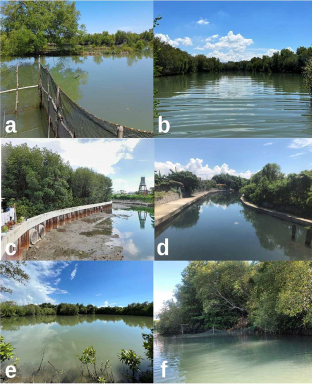
The research, titled Project MARVELS (Mangrove Diversity Research as a Vulnerable Ecosystem for La Union’s Sustainability), found that human-made structures like roads and boardwalks are major contributors to mangrove habitat risk. However, its core finding is that active intervention can reverse this damage.
Employing a scientific model to assess human-induced stressors, the study compared three management scenarios. Under a “business-as-usual” approach, risks remained high. In contrast, “controlled and protected” measures and “public-private partnership” interventions successfully lowered cumulative risk from high to medium or low levels.
“Mangrove diversity is the natural foundation of a smart and sustainable San Fernando City,” said project leader Dr. Nikki Heherson Aldea Dagamac in an email interview. “It strengthens coastal defenses, sustains livelihoods, supports biodiversity, and builds climate resilience.”
Initiated in 2019 by researchers from the University of Santo Tomas and in collaboration with the San Fernando City LGU, the study was a response to observed declines in local mangrove populations. Funded by the DOST-National Research Council of the Philippines, the project aims to balance environmental protection with economic development through science-based coastal management.

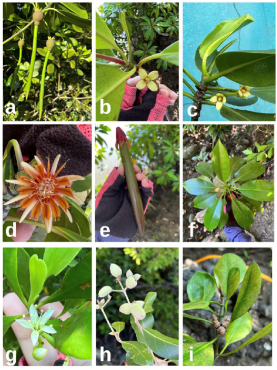
The research has directly informed policy recommendations to declare San Fernando’s remaining mangroves a Critical Habitat. It also underscores the essential role of community volunteers in conservation, while noting they need more support to overcome challenges like limited resources and illegal activities.
Project MARVELS will be featured at the upcoming NSTW, which carries the sub-theme “Building Smart and Sustainable Communities.” The event, open free to the public, will showcase various research and development initiatives offering solutions to community challenges.
“Take this opportunity to explore, learn, and be inspired because science is for the people, and progress begins with curiosity,” Dr. Dagamac said.
The full study is published in the journal Ocean and Coastal Research. For the complete NSTW schedule, visit the official Facebook page or website at http://nstw.dost.gov.ph.#